Low Vacuum Dehydration Machines

Description
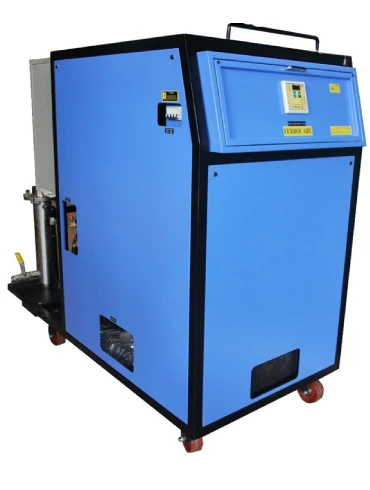
Low Vacuum Dehydration (LVDH) machines are designed to effectively remove water, gases, and particulate matter from industrial oils and lubricants. This technology helps extend the life of these fluids and the machinery they lubricate, enhancing operational efficiency and reducing downtime caused by fluid-related failures.
Working principle
LVDH machines use a combination of heat and vacuum to remove contaminants from oils. The fluid is heated to reduce its viscosity, which helps separate water and gases from the oil. A vacuum is then applied, causing the water and gases to vaporize and be extracted from the oil. This process is highly effective in maintaining the integrity and performance of industrial fluids.
Selection Guide
Choosing the right LVDH machine involves considering several factors:
Fluid Type
Identify the type of oil or lubricant that needs dehydration.
Contamination Level
Understand the level and type of contamination (water, gases, particulate).
Flow Rate
Select a machine that can handle the necessary volume of fluid within your operational requirements.
Installation Space
Ensure there is adequate space for the machine, including room for maintenance and servicing.
Technical Specifications:
- Voltage Requirements
Typically operates on 220-240V AC.
- Machine Dimensions
Varies, with options from small mobile units to large stationary systems.
- Weight
Ranges from 50kg for portable units to over 250kg for industrial models.
- Dehydration Efficiency
Capable of removing up to 99% of free and emulsified water, and up to 90% of dissolved water.
- Service Intervals
Regular maintenance recommended every 1000 operating hours or annually.

Operational Conditions
- Temperature Range: Efficient operation typically between 20°C and 80°C.
- Power Supply: Needs a stable and reliable power source for optimal dehydration.
Features
- Automated Water Removal: Automated processes ensure continuous dehydration without manual intervention.
- Adjustable Vacuum Levels: Customizable settings to handle different degrees of fluid saturation.
- Thermal Regulation: Integrated heating systems carefully regulate the temperature to optimize dehydration without degrading the fluid.
- Safety Mechanisms: Includes safety features such as automatic shut-off and alarms to prevent overheating or other operational hazards.
Applications
LVDH machines are essential in a variety of industries:

Industrial Manufacturing

Power Plants

Automotive
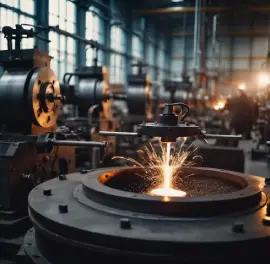
Injection Molding & Die Casting
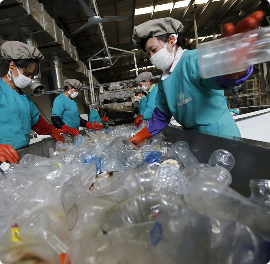
Food and Beverage

Environmental Impact
- Reduces Waste
Minimizes the need for frequent oil changes, reducing waste oil generation.
- Energy Conservation
By maintaining oil quality, machinery operates more efficiently, using less energy.
- Pollution Prevention
Decreases the disposal of contaminated oils, contributing to environmental protection.

Customer Support and Warranty Information
- Installation Services
Comprehensive installation and setup provided.
- Training and Support
Extensive training for operators and ongoing technical support.
- Warranty
Standard warranty of 12 months, extendable upon request.
FAQ's
How does the vacuum affect oil quality?
The vacuum process is gentle and does not alter chemical properties, ensuring oil remains effective for use.

